
Introduction
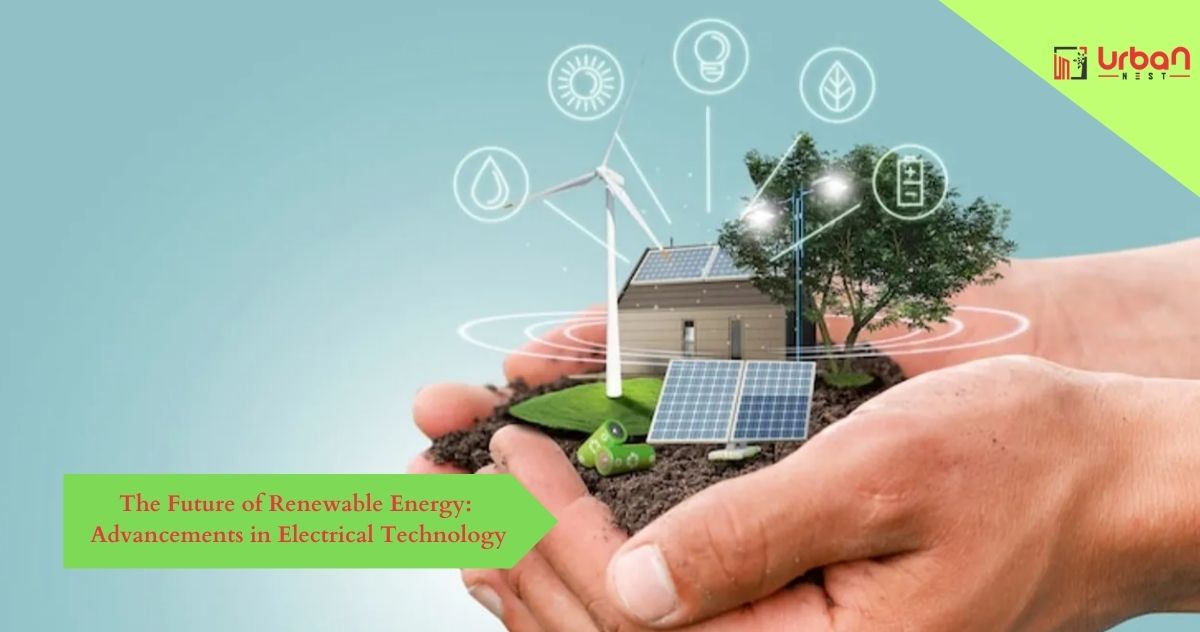
In an era characterized by growing concerns over climate change and the depletion of fossil fuels, the transition to renewable energy sources has become imperative. Renewable energy, derived from sources such as solar, wind, and hydropower, offers a sustainable and eco-friendly alternative to traditional fossil fuels. One of the key drivers of the renewable energy revolution is the continuous advancement in electrical technology. In this blog, we will explore the exciting developments in electrical technology that are shaping the future of renewable energy.
Energy Storage Solutions
One of the biggest challenges in harnessing renewable energy sources like solar and wind power is their intermittency. The sun doesn\'t always shine, and the wind doesn\'t always blow. However, advancements in energy storage technology are making it possible to store excess energy generated during favorable conditions for use during periods of low energy production.
Battery technologies, such as lithium-ion batteries, have seen significant improvements in terms of efficiency, capacity, and cost reduction. Additionally, emerging technologies like solid-state batteries and flow batteries hold promise for even greater advancements in energy storage. These developments are critical for ensuring a consistent and reliable supply of renewable energy.
Smart Grids and Grid Integration
The integration of renewable energy sources into existing electrical grids is a complex challenge. However, smart grid technology is playing a pivotal role in overcoming this obstacle. Smart grids enable two-way communication between energy producers and consumers, allowing for more efficient distribution of electricity.
Advanced sensors and automation systems are being used to monitor and control energy flow in real-time. This enables grid operators to optimize energy distribution, reduce wastage, and respond quickly to fluctuations in supply and demand. As a result, renewable energy sources can be seamlessly integrated into the grid, making the transition away from fossil fuels more feasible.
High-Efficiency Solar Panels
Solar power is a dominant player in the renewable energy landscape, and innovations in solar panel technology are continuously improving efficiency and reducing costs. Next-generation solar panels, such as perovskite solar cells, are pushing the boundaries of efficiency and affordability.
Perovskite solar cells have the potential to convert a higher percentage of sunlight into electricity while being cheaper to manufacture than traditional silicon-based panels. Moreover, these panels can be made flexible, transparent, and lightweight, opening up new possibilities for their integration into various surfaces and applications.
Wind Power Innovations
Wind energy has also seen remarkable advancements in recent years. Modern wind turbines are larger and more efficient, thanks to improvements in materials and design. Offshore wind farms, positioned in areas with consistent wind patterns, are becoming increasingly common and are capable of generating vast amounts of clean energy.
In addition, vertical-axis wind turbines and small-scale wind energy systems are emerging as viable options for decentralized energy production, making wind power accessible to a wider range of communities.
Electrification of Transportation
The future of renewable energy isn\'t limited to electricity generation alone; it also extends to transportation. The electrification of vehicles, including electric cars, buses, and even planes, is reducing our dependence on fossil fuels for transportation.
This shift not only reduces greenhouse gas emissions but also presents an opportunity to use renewable energy sources to charge these vehicles. Electric vehicle charging infrastructure is expanding rapidly, and advancements in battery technology are extending the range and reducing the charging time for electric vehicles.
Conclusion
Advancements in electrical technology are propelling the renewable energy sector forward at an unprecedented pace. From energy storage solutions and smart grids to high-efficiency solar panels, wind power innovations, and the electrification of transportation, these developments are making renewable energy sources more reliable, efficient, and accessible than ever before.
As we continue to invest in and embrace these technological advancements, we move closer to a future where renewable energy plays a central role in addressing our energy needs while mitigating the environmental impacts of fossil fuels. The future of renewable energy is indeed bright, and it is driven by the remarkable progress in electrical technology.

Leave a Reply
Your email address will not be published. Required fields are marked *