
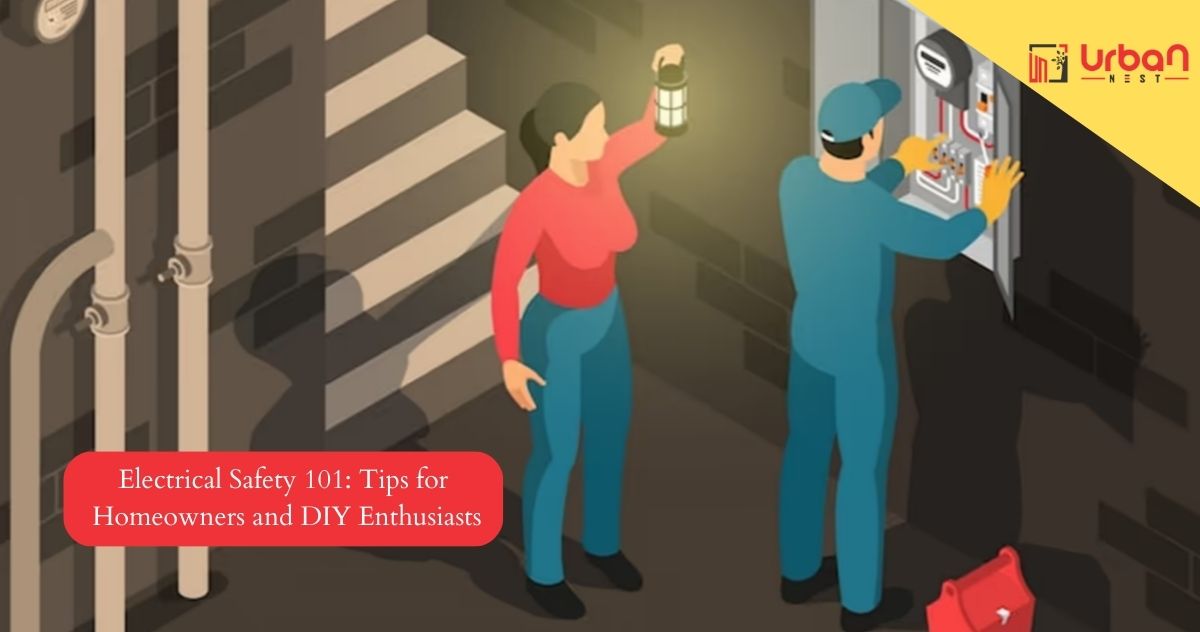
Electricity is an essential part of our daily lives, powering our homes and enabling countless appliances and devices. While it provides us with convenience and comfort, it can also pose serious risks if not handled with care. Whether you're a homeowner or a DIY enthusiast, understanding electrical safety is crucial to protect yourself, your loved ones, and your property. In this blog, we'll explore some fundamental tips for electrical safety at home.
1. Know Your Electrical System
Understanding your home's electrical system is the first step in ensuring safety. Familiarize yourself with the location of the circuit breaker or fuse box. Label each circuit to make it easy to identify and turn off power when needed. It's also a good idea to know the type and capacity of your electrical service, as exceeding it can lead to overloading and safety hazards.
2. Hire a Licensed Electrician
When it comes to electrical work, it's often best to leave it to the professionals. For major electrical installations, repairs, or upgrades, hire a licensed electrician. They have the expertise and knowledge to ensure the work is done safely and up to code. Attempting complex electrical tasks without proper training can be extremely dangerous.
3. Use the Right Tools and Equipment
If you're planning to tackle minor electrical projects on your own, make sure you have the right tools and equipment. High-quality insulated tools are essential to prevent electrical shocks. Additionally, invest in a voltage tester to verify that a circuit is de-energized before working on it.
4. Turn Off the Power
Before working on any electrical circuit or device, always turn off the power at the circuit breaker or fuse box. Even if you think a circuit is not live, it's better to be safe than sorry. Confirm that the power is off using a voltage tester or a plug-in circuit analyzer.
5. Use Ground Fault Circuit Interrupters (GFCIs)
GFCIs are electrical outlets designed to protect against electric shock. They automatically cut off power when they detect a ground fault, such as when water comes into contact with an electrical device. Install GFCIs in areas where water and electricity may mix, such as kitchens, bathrooms, and outdoor outlets.
6. Avoid Overloading Circuits
Overloading circuits can lead to overheating and electrical fires. Be mindful of the number of devices and appliances connected to a single circuit. Use power strips and surge protectors to distribute power safely, and never daisy-chain multiple extension cords together.
7. Inspect Electrical Cords
Regularly inspect power cords and plugs for signs of wear and damage. Replace any cords that are frayed, cracked, or exposed. When unplugging appliances, always pull the plug itself, not the cord, to avoid damaging it.
8. Keep Electrical Outlets and Devices Dry
Water and electricity don't mix well. Keep electrical outlets and devices away from areas where they might come into contact with moisture. Install weatherproof covers on outdoor outlets and be cautious when using electrical equipment outdoors.
9. Teach Children about Electrical Safety
Educate your children about the dangers of electricity and the importance of not playing with electrical outlets or cords. Use outlet covers to prevent young children from inserting objects into outlets.
10. Have a Fire Safety Plan
In case of an electrical fire, it's essential to have a fire safety plan in place. Ensure that your home is equipped with smoke detectors and fire extinguishers. Practice fire escape drills with your family so everyone knows what to do in an emergency.


Leave a Reply
Your email address will not be published. Required fields are marked *